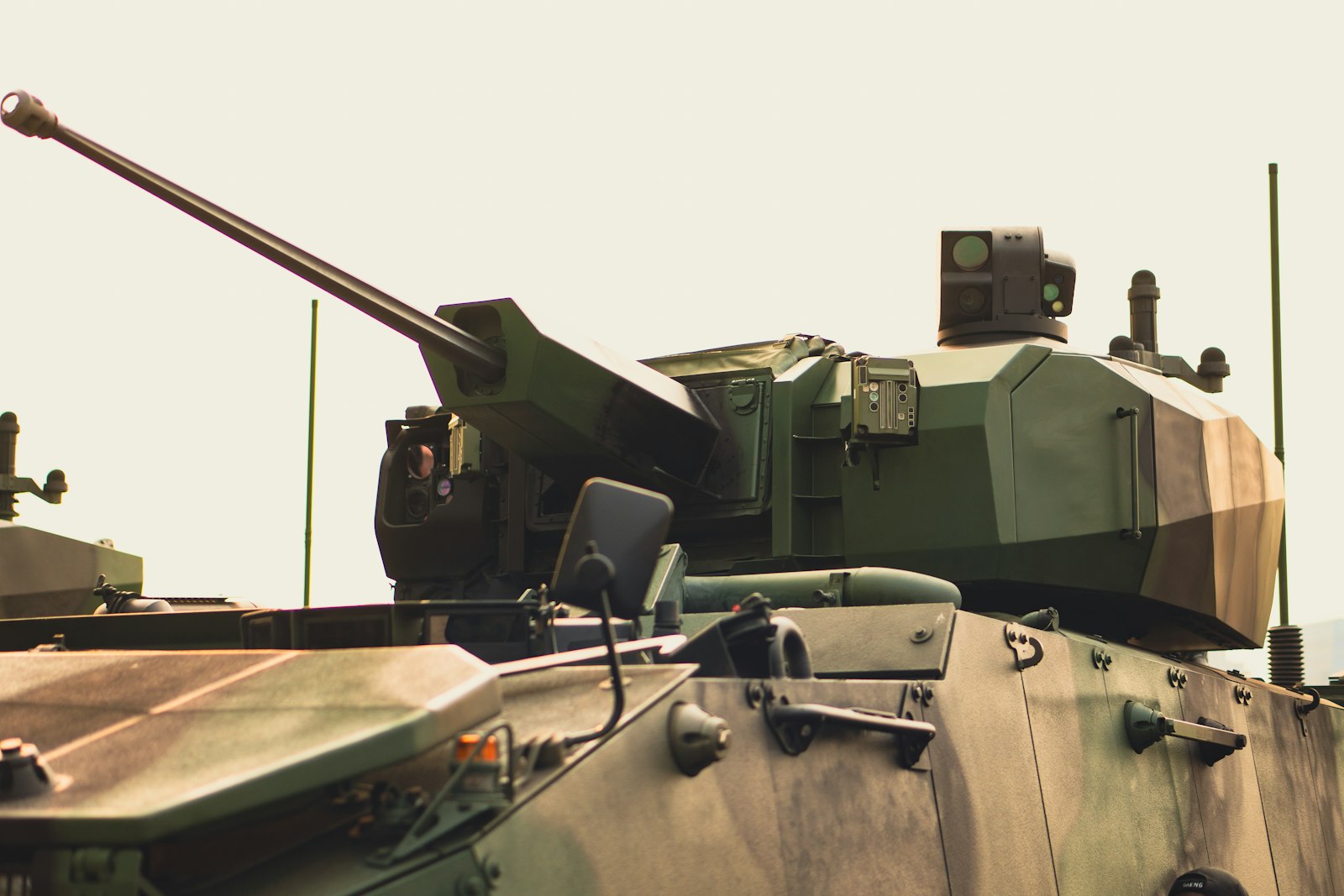
Anduril alone has more active engineering roles right now than every non-Anduril defense-tech robotics company combined. That's a stat that sounds like hyperbole until you sit with the data.
2,157 active roles at Anduril. Everyone else in the space adds up to about 900. Even that comparison flattens the story, because a lot of "defense robotics" hiring is happening at companies that aren't traditionally categorized as defense at all.
The core defense-robotics cohort
Companies I'd actually put in the "defense-robotics" bucket:
| Company | Stage | HQ | Active roles |
|---|---|---|---|
| Anduril Industries | Series G | Costa Mesa, CA | 2,157 |
| SHIELD AI | Series F | San Diego | 420 |
| Saronic | Series B | Austin | 270 |
| Aurora Innovation (autonomous trucks, dual-use) | Public | Pittsburgh | 146 |
| Voyager Technologies (space+robotics) | Public | Denver | 87 |
| Epirus (directed energy) | Series D | Torrance, CA | 40 |
| Vannevar Labs | Series B | Palo Alto | 31 |
| Kratos Defense | Public | San Diego | 5 |
| Reliable Robotics | Series C | Mountain View | 63 |
| Rocket Lab (defense-adjacent) | Public | Long Beach | 355 |
| Skydio (dual-use drone) | Series E | San Mateo | 121 |
I'm being slightly generous with "defense-robotics" — Reliable Robotics does autonomous aircraft with real defense contracts but is also commercial. Skydio makes drones used across defense, public safety, and consumer. Rocket Lab has commercial and defense customers. The point of the list isn't purity, it's that these companies are all working on autonomous systems for or partly for defense.
The Anduril problem
Anduril is enormous compared to any peer. Their 2,157 active postings span:
- Autonomous surface vessels (Dive Technologies acquisition)
- Autonomous underwater vehicles
- Ground vehicles
- Rocket motors and hypersonics
- Space defense systems
- Sensor fusion and Lattice command-and-control
- Electronic warfare
- Counter-UAS
If a defense company is doing it, Anduril is hiring for it. That's the story. The consequence for candidates: an offer from Anduril isn't a specific bet on a specific product. It's a bet on the org's ability to keep winning big contracts and to keep growing at this pace.
The upside is real: Series G, huge government revenue, real hardware in the field. The risk is that at 2,157 active roles you are a very small piece of a very large machine.
The Shield AI story
Shield AI at 420 active roles is a distant second. They make Nova (indoor autonomous drones for GWOT-era urban warfare) and V-BAT (Group 3 autonomous ISR aircraft). Series F. Extensive DoD relationships.
Their hiring is heavily concentrated in autonomy, perception, systems engineering, and hardware. Comp is competitive with defense-tech unicorns ($130K-$300K disclosed range depending on level).
If you're specifically interested in autonomous flight for military applications, Shield is the cleanest bet outside of Anduril.
Saronic and the maritime autonomous cohort
Saronic at 270 active roles is the interesting story. Austin-based, Series B, autonomous maritime for defense (specifically US Navy). Founded by ex-Anduril and ex-Palantir people. Very focused product.
Saronic's hiring pace has been aggressive: 165 postings in the last 90 days. They're staffing for scale. If the Navy contract wave continues, this is one of the top opportunities in defense-robotics for the next 24 months.
The adjacent maritime cohort:
- Kratos (public, drone systems)
- Saildrone (autonomous sail-powered) — commercial + defense
- Ocean Aero (autonomous surface + subsurface) — smaller footprint
If maritime defense is your interest, Saronic is by far the biggest hiring engine.
The dual-use cohort
Aurora Innovation, Reliable Robotics, Skydio, and a few others aren't traditionally "defense-tech" but do meaningful defense-adjacent work:
Aurora Innovation — Autonomous freight. Public. 146 active roles. Not primarily defense, but their autonomy stack has attention from defense customers.
Reliable Robotics — Autonomous fixed-wing aircraft. Series C. 63 active. Real defense contracts alongside commercial cargo work.
Skydio — Autonomous drones (originally consumer, now heavy public-safety and defense). Series E. 121 active. Very engineering-forward culture.
Compensation across defense-robotics
The disclosed median mids for the group:
- Wayve (autonomy adjacent, non-defense): $268K
- Zoox (autonomy, non-defense): $214K
- Shield AI: $165K
- Anduril: $170K
- Saronic: not enough disclosed data for median
- Skydio: $170K
- Reliable Robotics: $214K
- Aurora Innovation: $205K
- Rocket Lab: below-average for the space industry
Anduril and Shield AI both pay at market rate for defense-tech unicorns. Not spectacular, not underpaying. If you want the very top of the robotics market on pure base salary, that's still at Wayve, Zoox, or NVIDIA's autonomy team, not at any defense-robotics company.
Reliable Robotics at $214K median mid is unusually high for a Series C. If you're a senior IC looking for autonomous flight work with high comp and a smaller org, worth a look.
The ITAR reality
Almost every defense-robotics company has ITAR/export-controlled work. What varies is how much of the company is actually restricted.
Anduril: 100% of postings mention ITAR/export controls (defensive legal language), but relatively few require explicit US citizenship in the posting text.
Shield AI: similar profile. 92% flagged, small percentage with explicit citizenship requirement.
Aurora, Skydio, Reliable: minority of postings flagged. Most roles are open to non-citizens.
I wrote a longer breakdown of ITAR reality on the Made For Space blog. The findings there mostly apply here too: the wall is real for specific roles but not for the whole company.
What to do with this
Two practical calls.
If you want to work on defense-robotics at scale: Anduril is the obvious answer. 2,157 roles means there's a role that fits almost any specialty. The tradeoff is you'll be one of thousands, and your ability to shape the direction of any specific product is limited.
If you want defense-robotics work with real personal leverage: look at Shield AI (420 roles), Saronic (270), Vannevar Labs (31), or Epirus (40). At those team sizes, an experienced engineer's individual contributions actually change the shape of the product.
Methodology
Data pulled from active job listings on GreatRobots.ai as of early April 2026. Company categorization ("defense-robotics") is my judgment based on customer mix and product focus. Reasonable people would draw the line differently. The role counts are directly from the ATS feeds.
Browse the full catalog sorted by hiring velocity for the broader picture.